
Why Getting to the Truth Takes Work

Bill Church
December 24, 2024
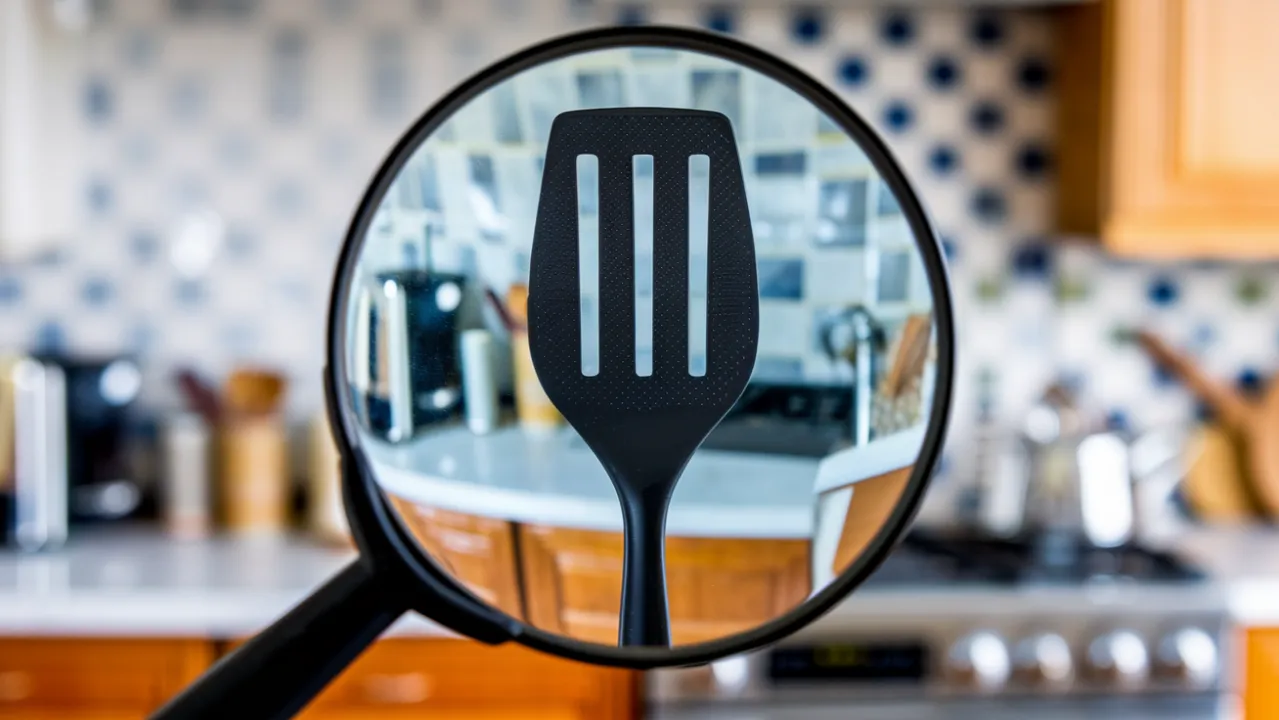
The recent scare about "toxic black plastic utensils" spread so fast that people across social media started tossing out spatulas before they realized the research behind it had a math blunder. But this is bigger than just one kitchen-safety saga. It's a cautionary tale about how easily any misinformation—scientific or otherwise—can go viral and why we should all slow down before hitting "share."
1. Science or Not, Double-Check
Whether it's a claim about harmful chemicals or a breaking news story about your favorite celebrity, small mistakes or misrepresentations can spark confusion. One inaccurate tweet might get repeated until it's assumed true. Always pause, read another source, and ask, "Does this make sense?"
2. Beware of Headlines Designed to Alarm
From "toxic plastics" to "economic disasters" and sensationalized political stories, alarmist headlines can easily manipulate our natural fear response. In science, the best studies get replicated, critiqued, and refined. The same principle applies outside of science: talk to people who disagree, seek out different news outlets, and don't forget good old-fashioned common sense.
3. We All Have Biases
Confirmation bias makes us more likely to trust information that aligns with our existing worldview. That's why even a flawed study or a sketchy rumor can feel "right" if it plays into our beliefs. This doesn't mean we have to throw out all our opinions; just recognize that our first reaction might not be the most accurate.
4. The Value of Healthy Skepticism
Healthy skepticism doesn't mean thinking everything is fake. It means recognizing that mistakes happen, people have agendas, and even honest experts can get it wrong. It is about being open to the possibility that new evidence could change our minds. No one is perfect, and that's okay as long as we hold ourselves accountable.
5. Share Responsibly
Before you hit "post," take a moment to consider: Have I done my homework? Did I skim at least one more source or read a fact-checker? Being part of a well-informed community starts with each of us. The next time a story sets off your alarm bells, dig deeper; you might save yourself and others from needless panic.
Ultimately, actual knowledge isn't just about trusting the experts; it's about being willing to question, verify, and learn from mistakes. That's what keeps us growing, both in our understanding of science and in everyday life.
